
9 Signs You Need Auto Body Repair Services
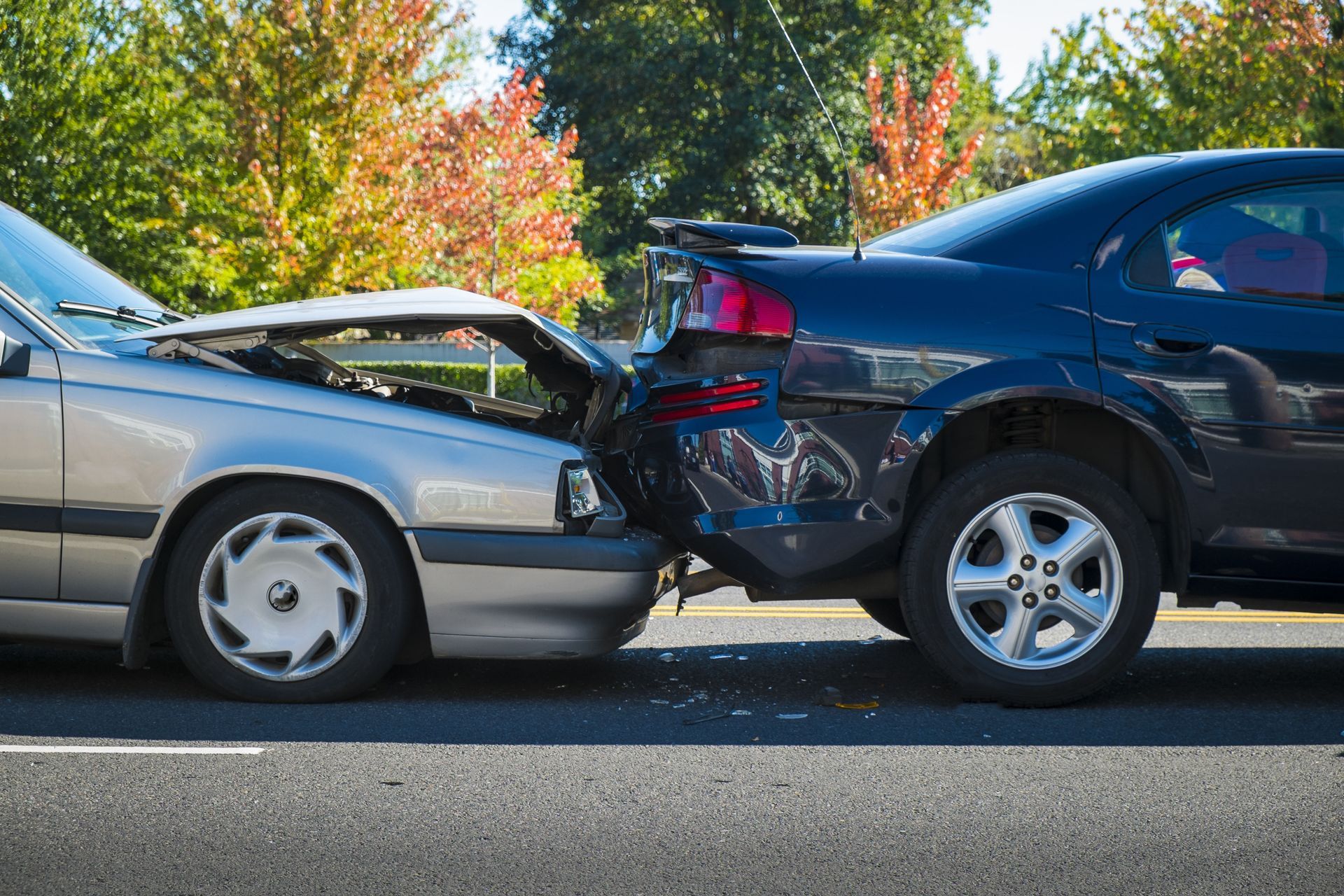
After a collision or even a minor impact, vehicle damage is not always obvious at first glance. What may look like surface-level issues can sometimes point to deeper structural concerns that affect safety, alignment, and long-term performance. Recognizing early indicators helps prevent further deterioration and supports timely action through professional auto body repair evaluation. In many cases, what seems like a small dent or scratch can mask misalignment or internal stress that continues to worsen over time, making early inspection an important step in maintaining vehicle condition and drivability.
According to Grand View Research, the United States automotive collision repair market size is estimated to be $34.3 billion. This scale reflects how frequently vehicles require collision-related evaluation and repair services across the country, reinforcing the importance of recognizing damage early and addressing it through proper auto body repair processes.
Weather exposure, vibration from daily driving, and road debris can also accelerate hidden damage, especially when protective layers have been compromised. Below are key warning signs that suggest a vehicle may require attention from an auto body repair shop, along with what each symptom typically indicates.
1. Noticing Visible Exterior Damage
One of the most straightforward indicators is visible damage to the vehicle's exterior. Dents, scrapes, cracked paint, or exposed metal often signal that the surface has been compromised. While these may appear cosmetic, they can allow moisture to reach underlying materials and gradually contribute to corrosion.
Even small chips in paint can expand over time, especially when exposed to changing weather conditions, road salt, or debris. When exterior surfaces are affected, a full auto body repair assessment is often needed to determine whether the impact is limited to the outer layer or extends deeper into body panels and structural areas.
Left unchecked, these seemingly minor issues can evolve into more complex damage that affects both appearance and function. Over time, vibration from regular driving can also widen cracks or loosen affected panels.
2. Observing Panel Misalignment
Misaligned doors, uneven gaps between panels, or sections that no longer sit flush are common indicators of an underlying structural shift. These issues frequently appear after impacts that affect the frame or mounting points of the vehicle.
When alignment changes occur, they can also influence how doors, trunks, and hoods open and close. If components feel “off” or require extra effort to operate, it may point to a deeper issue that requires auto body repair evaluation to restore proper fitment and geometry.
Over time, continued stress on misaligned panels can lead to additional wear on hinges, seals, and latching mechanisms, further reducing overall vehicle integrity. Wind resistance and road vibration may also worsen the misalignment if left unaddressed.
3. Experiencing Changes in Driving Behavior
A noticeable change in how the vehicle drives is another key signal. This may include pulling to one side, steering that feels uneven, or vibration at certain speeds. These symptoms are often linked to alignment disruption caused by impact forces.
Even when wheel alignment is adjusted, persistent handling issues can suggest that the underlying structure has shifted. In such cases, a more detailed auto body repair inspection is typically required to identify whether the frame or suspension mounting points have been affected.
Drivers may also notice increased fatigue during longer trips, as constant steering correction becomes necessary to maintain a straight path. Fuel efficiency can also be indirectly affected when rolling resistance increases due to misalignment.
4. Detecting Unusual Noises or Vibrations
New or unusual sounds after an impact should not be ignored. Creaking, rattling, knocking, or squeaking noises can indicate loosened components or stress in the vehicle's structure.
Vibrations that travel through the steering wheel, floor, or seats may also point to a deeper mechanical imbalance. These symptoms often appear when components are no longer properly aligned, making auto body repair attention necessary to restore stability and reduce long-term wear.
In some cases, these noises may only appear during specific driving conditions such as acceleration, braking, or turning, which can make early diagnosis more challenging without a full inspection. Small structural shifts can gradually amplify these sounds over time.
5. Identifying Difficulty With Doors or Closures
If doors, hood, or trunk components no longer open or close smoothly, it may suggest a shift in the vehicle's frame or mounting points. Resistance, sticking, or the need for extra force can indicate that alignment has been compromised.
Weather sealing may also be affected, leading to increased road noise or minor water intrusion during heavy rain. This type of issue is commonly associated with structural changes that develop after collisions. A professional auto body repair assessment can determine whether adjustments or structural corrections are needed to restore proper function.
Even slight misalignment can strain locking systems and reduce long-term durability. Over time, this can also affect how securely panels sit against the vehicle body.
6. Spotting Uneven Tire Wear Patterns
Tires that wear unevenly, such as faster wear on one side or irregular tread patterns, can indicate alignment or suspension imbalance. These patterns often develop gradually after structural changes, even if the vehicle initially appears unaffected.
Uneven tire wear not only shortens tire life but can also signal deeper geometry issues that may impact braking distance and overall traction. When this occurs, a detailed auto body repair evaluation is often necessary to identify whether the root cause is surface alignment or structural displacement.
Addressing the underlying issue early can help avoid repeated tire replacement and inconsistent driving performance. In some cases, drivers may also notice reduced grip during wet conditions.
7. Seeing Rust or Corrosion Forming Early
Rust developing around dents, scratches, or exposed areas is another warning sign. Once protective coatings are damaged, metal surfaces become more vulnerable to environmental exposure.
Over time, this can spread beneath the surface and affect adjacent areas. Early corrosion is especially important to address because it may indicate that damage is progressing beyond the initial impact point.
A timely auto body repair review helps assess how far the corrosion has spread and what corrective action is needed. In humid or coastal environments, this progression can occur more rapidly, making early attention even more important.
Corrosion can also weaken panel strength if ignored for extended periods, increasing the scope of necessary repair work.
8. Noticing Dashboard Warning Lights After Impact
In some cases, warning lights may appear following a collision or impact. These alerts can relate to sensors, structural monitoring systems, or alignment-related components that have been affected.
Even if the vehicle still operates normally, these indicators suggest that internal systems may have been disrupted. A comprehensive auto body repair inspection is often required to evaluate sensor alignment and ensure system accuracy.
Modern vehicles rely heavily on interconnected electronic systems, so even minor structural shifts can trigger alerts that require closer evaluation. Ignoring these signals can lead to inconsistent system readings over time.
9. Recognizing Altered Ride Comfort or Stability
A change in ride quality, such as increased harshness over bumps, reduced stability, or a general sense that the vehicle no longer feels balanced, can signal hidden damage. These changes often stem from compromised suspension geometry or structural shifts.
Because these issues may develop gradually, they are sometimes overlooked until they worsen. A full auto body repair assessment helps determine whether the issue is mechanical, structural, or a combination of both.
Restoring balance not only improves comfort but also supports safer handling under different driving conditions. Small imbalances can also increase long-term stress on suspension components.
Vehicle damage after an impact can range from obvious exterior issues to subtle structural changes that affect safety and performance. Identifying early warning signs such as alignment issues, unusual driving behavior, or visible surface damage helps reduce long-term complications and supports proper restoration.
Addressing these issues promptly can also help maintain vehicle value and prevent cascading wear across connected systems. For drivers looking to address these concerns, Castellana Auto Body is a reliable destination for auto body repair services that help restore vehicle condition and road readiness.


Share On: